
Seller


Yoga Strap 7ft & 9ft

Yoga Strap Set of Five
Seller
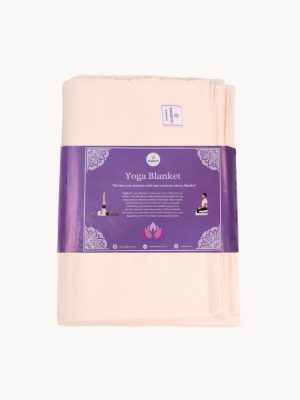

Yoga Blanket (Premium)


Yoga Blanket Set of Two(Premium)
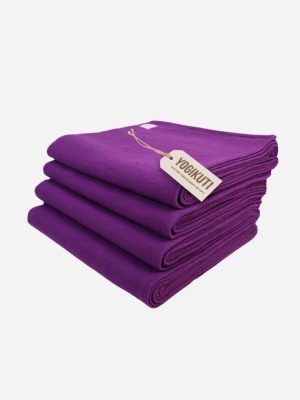
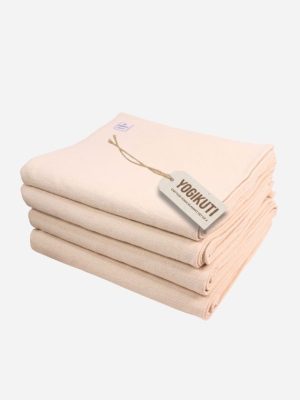
Yoga Blankets 4pc(Premium)
Seller


Round Yoga Bolster
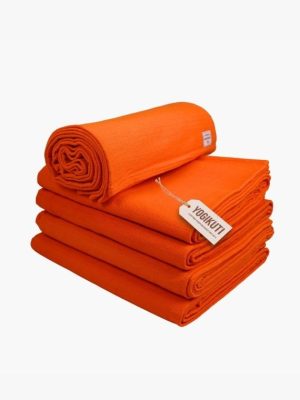
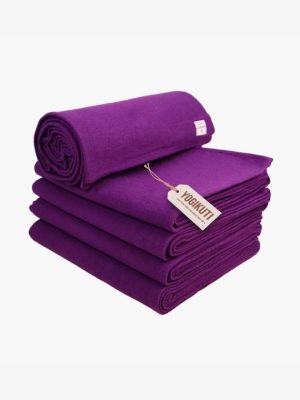
Yoga Blanket Set of 5pc(Premium)

Iyengar Yoga Blanket 10pc(Premium)


Rectangular Yoga Bolster


Iyengar Yoga Blanket 12pc(Premium)

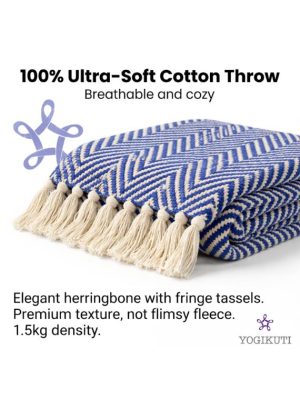
Handwoven Cotton Throw Blanket with Tassels


Iyengar Yoga Pillow
Can a Yoga Bolster Help with Back Pain?
Yes, a yoga bolster can be highly effective in relieving back pain. It provides support and cushioning for the spine during the restorative yoga poses. Its cushioning support improves proper alignment and reduces strain on the back muscles while practising yoga poses. By slightly raising the body, it reduces pressure on the lower back, letting the muscles relax and stretch without strain. Hence the support provided by the bolster helps to maintain correct posture during yoga practice, which is supportive for avoiding muscle imbalances and chronic back pain. If you regularly use the bolster, you can relieve discomfort and prevent further back pain by encouraging healthy spinal alignment.
For poses like supported backbends or rested twists, you can use the bolster for support to gently stretch and release tension in the back muscles. The bolster helps maintain proper posture, reducing pressure on the lower back, which can alleviate discomfort. It’s particularly useful in yoga practices focused on relaxation and healing, making it a great tool for individuals experiencing chronic back pain.
What Poses Can I Use a Yoga Bolster for?
In Iyengar yoga, a bolster is used to deepen poses and provide support.
- In Supta Baddha Konasana (Reclined Bound Angle Pose), placing a bolster along the spine opens the chest and relaxes the lower back.
- For Viparita Karani (Legs-Up-the-Wall Pose), the bolster under the hips supports the lower back and promotes gentle inversion.
- In Setu Bandha Sarvangasana (Supported Bridge Pose), a bolster under the sacrum eases the strain on the back while gently stretching the spine.
- Supported Paschimottanasana (Seated Forward Bend) with a bolster under the torso helps release tension in the lower back, while Salamba Savasana (Supported Corpse Pose) promotes full-body relaxation.
What size yoga bolster should I buy?
When choosing a yoga bolster, the standard size (about 25″ long, 12″ wide, and 6″ high) is a versatile option for most practitioners. This size provides excellent support for various poses allowing for deep stretching and relaxation. If you’re taller or need extra support, consider a larger bolster, but for more subtle cushioning. If you need something easy to carry, a smaller or lighter bolster might be better.
How do I clean my yoga bolster?
To clean your yoga bolster, first check the care instructions on the label, as most bolsters come with removable, machine-washable covers. Remove the cover and wash it on a gentle cycle with mild detergent, then air dry to maintain its shape and color. For non-removable covers, spot clean with a damp cloth and mild soap, focusing on stains or areas that need freshening. Avoid soaking the bolster, as moisture can damage the filling. Regularly airing out your bolster in sunlight can help remove odors and keep it fresh. Store it in a dry place to prevent mold or mildew.
How to wash yoga blankets?
Most yoga blankets are made from cotton, wool, or a blend, and can typically be machine-washed on a gentle or cold cycle using mild detergent. You should not use bleach or harsh chemicals which will damage the fabric. For wool blankets, hand washing or a delicate machine cycle is recommended. After washing, air-dry the blanket to prevent shrinkage or damage from high heat, though some blankets can be tumble-dried on low. Regularly washing your blanket keeps it fresh and free of dust, while maintaining its softness and durability.
How to choose a yoga blanket?
When choosing a yoga blanket, consider the material, size, and thickness.
Material: Consider cotton, wool, or blended fabrics which are popular choices for their durability, comfort, and warmth. Cotton blankets are softer and easier to wash, while wool provides extra warmth and support. These blankets offer the right balance between softness and firmness.
Size: Ensure the blanket is large enough to fold and use in various yoga poses for cushioning and support.
Thickness & Weight: A medium-weight blanket is versatile, as it can be easily folded, mold to fit your body, rolled for use under joints, for seated support, or as a prop in restorative poses.
Durability & Maintenance: Choose a blanket that is durable and easy to maintain.
How Do I Choose the Right Thickness for a Yoga Blanket?
Choosing the right thickness for a yoga blanket depends on your needs for comfort, support, and versatility during practice.
- Thick Blankets for Extra Cushioning
Thicker blankets offer more padding, ideal for poses like Shoulder Stand or Knee-to-Chest Pose, protecting the spine and joints from pressure.
- Thin Blankets for Flexibility
Thinner blankets are easier to fold, perfect for seated poses or gentle stretches where flexibility and light support are needed.
- Medium Thickness for Versatility
A medium-thickness blanket balances cushioning and flexibility, making it suitable for most yoga practices, especially restorative and supported poses.
So choose the thickness based on the type of yoga you practice and the level of support or comfort required.
What is the Purpose of a Yoga Blanket in Practice?
The yoga blanket serves multiple purposes, adapting to the needs of both the yoga pose and the individual’s needs, such as:
- Cushioning for Sensitive Areas: Offers padding for the knees, hips, and spine which helps to minimize strain and protect against injury during yoga poses.
- Support for Seated Poses: Helps elevate the hips in seated postures, promoting better alignment and deeper stretches.
- Aid in Restorative Poses: Offers gentle support in restorative poses, allowing the body to fully relax.
- Warmth During Relaxation: Keeps the body warm in Savasana or meditation, enhancing relaxation.
- Versatile Yoga Prop: Enhances comfort, support, and flexibility across various yoga styles and experience levels.


 Login with Google