
Aerial Yoga Swing or Hammock? Know the Key Differences!
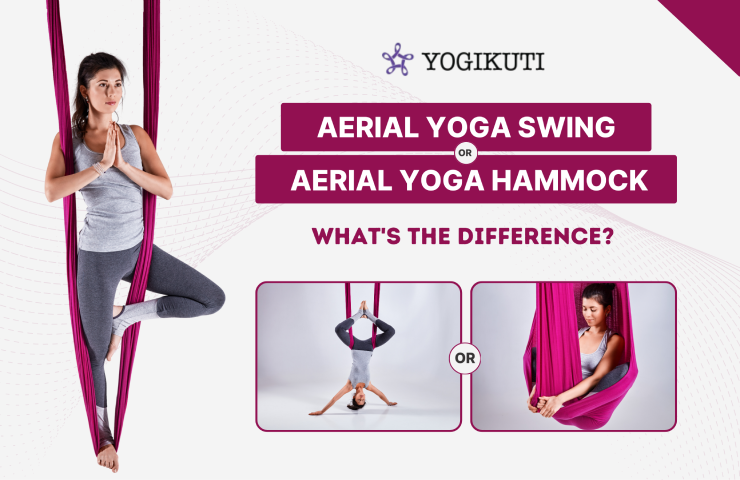
Aerial yoga has gained popularity as a fun and effective way to build strength, flexibility, and mindfulness. However, when choosing the right equipment, many wonder whether to go for an aerial yoga swing or a hammock. While both allow you to explore aerial movements and inversions, they have distinct differences in design, functionality, and usage.
In this blog, we’ll break down the unique features which will help to make an informed decision and elevate the aerial yoga practice with confidence.
What is an Aerial Yoga Swing?
An aerial yoga swing is a fabric sling, and a ceiling-suspended fitness tool attached with handles and straps. The handles provide a strong grip which makes it easier to hold poses, deepen stretch, and build strength.
It is used for a mix of yoga, strength training, and fun. It is commonly used for inversion therapy. It helps relieve back pain and improves posture.
As the handles give extra support, people can do dynamic movements and inversions to build strength. The aerial yoga swing is great for both beginners and advanced practitioners.
The added handles are the main difference from an aerial yoga hammock, which increases the amount of exercises that can be done.
What is an Aerial Yoga Hammock?
An aerial yoga hammock is a long piece of soft and stretchy fabric suspended from the ceiling. It supports the whole body for doing yoga poses and stretches in the air. It creates a light and floating feel while using it.
People use it for deep stretches, backbends, and even meditation. The hammock can also be used for aerial arts and dance. It is suitable for all fitness levels, from beginners to experts.
In contrast to an aerial yoga swing, the hammock has no handles. This makes it ideal for graceful movements rather than strength-based exercises.
Key Differences Between Aerial Yoga Swing and Hammock
Handles vs. No Handles: The aerial yoga swing has handles for better grip and support. The hammock is just a fabric sling with no handles.
Strength vs. Flow: The swing is great for strength training and dynamic movements. The hammock focuses on smooth, flowing poses and relaxation.
Firm vs. Soft Support: The swing’s handles and structure offer firmer support. The hammock’s fabric molds to the body for a softer, more fluid experience.
Control vs. Flexibility: The swing gives more control for inversions and strength-based exercises. The hammock allows more flexibility for deep stretches and graceful movements.
Therapy vs. Meditation: The swing is often used for inversion therapy to relieve back pain. The hammock is commonly used for meditation and aerial arts.
Versatility vs. Simplicity: The swing supports a wider range of exercises due to its handles. The hammock offers a simple, seamless experience for yoga and stretching.
More vs. Less Assistance: The swing helps beginners with poses by providing extra grip. The hammock requires more balance and body control.
Structured vs. Free Movement: The swing supports structured workouts with targeted exercises. The hammock encourages free-flowing, dance-like movements.
Installation Differences: The swing requires multiple attachment points for handles. The hammock needs just two anchor points for suspension.
Benefits of Aerial Yoga Swing:
Improves Digestion: This yoga poses massage the internal organs and stimulate the digestive system which solve the issues like constipation and bloating.
Boosts Circulation: Inversions help restore blood flow that will leads to reduce the risk of heart disease and improve energy levels.
Enhances Balance: Working against gravity strengthens stability and reduces the risk of falls while ageing.
Decompresses the Spine: Hanging upside down will relieve tension, improve posture, and reduce back pain.
Detoxifies the Body: Aerial yoga flushes out the toxins and supports the lymphatic and circulatory systems.
Slows Aging Signs: Regular practice strengthens muscles, improves flexibility, and keeps joints healthy.
Improves Sleep: Relaxing movements release serotonin and endorphins which reduce stress and aiding better sleep.
Strengthens the Body: Engages muscles, improves tone, and enhances overall strength and endurance.
Aids Weight Loss: Burns calories while being a gentle and low-impact workout.
Boosts Brain Function: Increased blood flow to the brain improves focus, memory, and mental clarity.
Encourages Mindfulness: Helps you relax, reduce stress, and connect with your inner self.
Benefits of Aerial Yoga Hammock:
Improves Flexibility: The aerial yoga swing allows you to stretch deeper and move more freely, helping to increase your overall flexibility.
Supports Your Body: These yoga poses are easier and safer to reduce strain on joints and muscles.
Strengthens Core Muscles – Balancing in the hammock engages your core, improving strength and stability.
Relieves Back Pain – Hanging upside down decompresses the spine and reduces tension.
Boosts Blood Circulation – Inversions and movements improve blood flow also increase the oxygen levels in body.
Reduces Stress – The hammock creates a feeling of weightlessness, helping you relax and calm your mind.
Improves Sleep Quality – Regular practice relaxes your body and mind, making it easier to fall asleep.
Enhances Focus and Balance – Using the hammock improves concentration, coordination, and overall body control.
Choosing Between an Aerial Yoga Hammock & Swing: Factors to Consider
If you’re looking to elevate your fitness routine, both aerial yoga hammocks and aerial swings offer great benefits. However, they serve different purposes and have unique features. So it is important to consider the following factors to choose the right option based on your needs, space, and skill level.
Understanding the Basics
Aerial Yoga Hammock – A long and stretchy fabric suspended from two points that helps for flowing movements, deep stretches, and relaxation.
Aerial Swing – A long and stretchy fabric, however it is a stronger setup with additional handles, designed for controlled movements, strength training, and inversions.
Purpose of Use
Choose a Hammock if you want a soft, flowing yoga practice with deep stretches and gentle inversions. It is great for relaxation, flexibility, and low-impact exercises.
Choose a Swing if you prefer strength training, acrobatic movements, and more structured poses. The handles provide extra support for inversions and arm workouts.
When buying an aerial yoga hammock or swing, you need to ensure it meets safety, comfort, and durability standards. Here’s a simple checklist to help you make the best choice.
1. Fabric Quality & Type
Hammock – Made from soft, stretchable fabric (Nylon Tricot, Polyester Tricot, or Polyester Lycra). Provides a comfortable and flexible feel for deep stretches and fluid movements.
Swing – Typically made from non-stretch fabric with padded handles. Offers better grip and stability for inversion therapy and strength exercises.
2. Strength & Weight Capacity
Hammock – Should support at least 3,000 lbs with a 5:1 safety ratio for aerial yoga.
Swing – Must support at least 600 lbs with strong stitching, reinforced straps, and steel hardware.
3. Fabric Stretch
Hammock – Comes in low, medium, or high stretch options. Low stretch is best for yoga, while high stretch is used for advanced aerial skills.
Swing – Usually non-stretch for better control and stability during exercises.
4. Width & Comfort
Hammock – Standard width ranges from 60” to 108”. Wider fabric provides more support for aerial poses.
Swing – It typically have a seat width of around 50 to 60 inches.Also includes padded handles and a seat, making it easier to grip and hold positions, especially for inversion therapy.
5. Safety & Certification
Always check for safety certifications and manufacturer weight testing.
Avoid cheap, untested materials from general fitness stores.
Hammock or swing: which is right for you?
It depends on your needs and practice style.
Choose an Aerial Yoga Hammock if you want full-body support, deep stretches, and a traditional aerial yoga experience. Its wide fabric allows for comfortable wraps, inversions, and relaxation poses.
Choose an Aerial Yoga Swing if you prefer more grip, added stability, and versatile movement. With handles and straps, it helps with strength training, inversions, and assisted poses, making it beginner-friendly.
Consider your fitness goals, comfort, and space to find the best fit for your practice!
Conclusion:
Choosing between an aerial yoga swing and a hammock depends on your personal goals, comfort, and practice style. Both options offer incredible benefits for flexibility, core strength, and relaxation, but the right choice depends on how you plan to use it. No matter which you choose, both will elevate your practice and bring new possibilities to your fitness journey. So consider your space, fitness level, and intended use before investing in the perfect aerial yoga tool.
FAQ
Is an Aerial Yoga Hammock safer for beginners than a Swing?
Yes, an aerial yoga hammock is safer for beginners because it provides full-body support and even weight distribution. It allows for gentler movements and is easier to balance in compared to a swing, which has handles and less fabric coverage.
Can I use an Aerial Yoga Swing for inversions?
Absolutely! An aerial yoga swing is great for inversions. The handles provide extra grip and support, making upside-down poses easier and more controlled. It’s ideal for building strength and flexibility while improving spinal decompression.
How long should I practice Aerial Yoga with a Swing or Hammock per session?
A 30-60 minute session is ideal. Beginners should start with shorter sessions (20-30 minutes) and gradually increase time as they build strength and confidence.
What is the weight limit for Aerial Yoga Swings and Hammocks?
Most high-quality aerial swings and hammocks support up to 600 lbs, but always check the manufacturer’s guidelines before use to ensure safety.
Yoga Products
Jal Neti Pot Ceramic + 2pc Copper Tongue Cleaners & 2pc Sutra Neti Tubes- Combo Set
₹1,544Original price was: ₹1,544.₹1,279Current price is: ₹1,279.
Wooden Yoga Heart Wedge
₹1,042Original price was: ₹1,042.₹868Current price is: ₹868.
Yoga Wall Ropes 2pairs (Long & Small), 2pairs Wall Hooks Set
₹5,292Original price was: ₹5,292.₹4,851Current price is: ₹4,851.
Yoga Kit For Starters
₹16,538Original price was: ₹16,538.₹14,333Current price is: ₹14,333.
Iyengar Yoga Stool Small
₹8,104Original price was: ₹8,104.₹6,135Current price is: ₹6,135.
Curvature Plank
₹1,852Original price was: ₹1,852.₹1,656Current price is: ₹1,656.
Shoulderstand Foam Block 2pc
₹2,315Original price was: ₹2,315.₹1,996Current price is: ₹1,996.
Aerial Swing Hammocks
₹6,615Original price was: ₹6,615.₹5,800Current price is: ₹5,800.
Best Selling Products



Recent Posts




 Login with Google