
Yoga Mat Thickness Guide
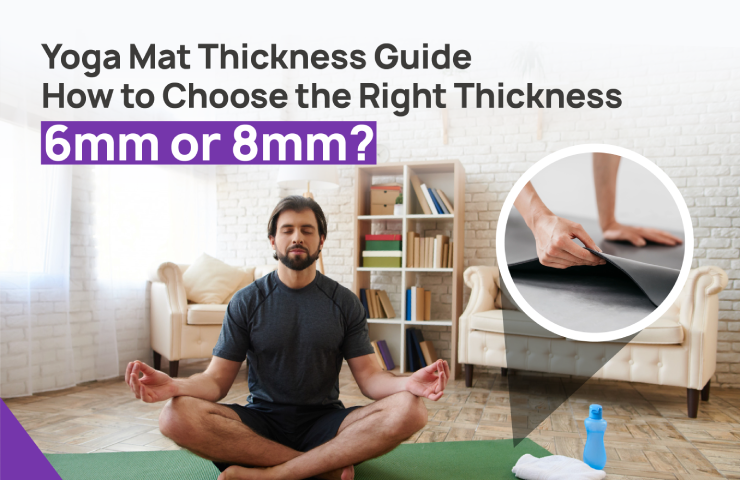
How to Choose the Right Yoga Mat Thickness (2mm to 8mm)
| Feature | 2–3mm | 4mm ★ | 5–6mm | 8mm+ |
| Cushioning | Minimal | Moderate | Good | Maximum |
| Ground connection | Excellent | Very good | Good | Reduced |
| Stability | Excellent | Excellent | Good | Moderate |
| Joint support | Low | Moderate | Good | Excellent |
| Portability | Excellent | Good | Moderate | Low |
| Weight | ~1–1.5 kg | ~1.5–2 kg | ~2–2.5 kg | ~2.5–3.5 kg |
| Best for | Travel, hot yoga | Most practitioners | Beginners, hard floors | Restorative, joint pain |
| Products | Yoga Mat 2mm | Yoga Mat 4mm | Yoga Mat 6mm | Yoga Mat 8mm |
★ Most popular — recommended as a starting point for most practitioners.
Introduction : Choose The Right Yoga Mat
Picking the wrong mat thickness is one of the most common mistakes new yogis make. Too thin, and you’ll feel every hard edge beneath your knees during floor poses. Too thick, and standing balances become wobbly and unstable.
The good news: once you understand how thickness relates to your practice style and body, the choice becomes straightforward. This guide breaks down every thickness tier — 2mm through 8mm — so you know exactly what to look for before you buy.
Every Thickness Tier Explained
2–3mm Travel & Minimalist
At 2–3mm, these are the thinnest mats available — designed for portability and ground connection above all else. They fold flat, weigh next to nothing, and fit inside a carry-on bag. You’ll sacrifice cushioning but gain an incredibly strong feel for the floor beneath you. Best for: Hot yoga, travel practice, Ashtanga, on-the-go practitioners
4mm Standard
The 4mm mat is the industry standard for good reason. It provides enough cushioning for knees and wrists without creating the instability that thicker mats introduce. Most seasoned yogis — and most yoga teachers — use a 4mm mat. If you’re unsure what thickness to get, start here. Best for: Vinyasa, Ashtanga, Hatha, Power yoga, general practice
5–6mm Comfort
At 8mm and above, you’re in true restorative territory. These mats are plush, warm, and forgiving — ideal for yin yoga, meditation, prenatal yoga, and practitioners with arthritis, chronic knee pain, or hip sensitivity. The trade-off is real: standing balances are more challenging and the mat is heavier to carry. Best for: Yin yoga, restorative yoga, meditation, prenatal yoga, joint conditions, elderly practitioners
8mm+ Premium Cushion
A 5mm mat works well for most general yoga practices. It’s a strong middle-ground choice — more cushioning than a standard 4mm mat but still stable enough for Hatha, slow Vinyasa, and beginner flows. For very dynamic practice or strong balance work, a 4mm mat is preferable.
How to Decide: Key Factors
Your yoga style
Dynamic, fast-moving styles like Vinyasa, Ashtanga, and Power Yoga benefit from thinner, firmer mats (3–4mm) that keep you anchored during quick transitions. Slower styles like Yin, Restorative, and Meditation benefit from the extra cushioning of 6–8mm. If you practice a mix, 4–5mm is a reliable middle ground.
The floor surface you practice on
Hardwood and concrete floors amplify the hardness beneath you — a 5–6mm mat works well here. If you practice on carpet, the carpet itself already provides some cushioning, so a 4mm mat will feel comparable to a 6mm mat on a hard floor. For outdoor yoga on grass or uneven terrain, go thicker (6mm+) for protection.
Density matters as much as thickness
Don’t be fooled by thickness alone.
A dense natural rubber mat at 4mm will outlast and outperform a cheap PVC foam mat at 8mm for joint protection and stability. Dense materials distribute pressure more evenly. When comparing mats, press your thumb in firmly — a mat that springs back quickly indicates good density.
Your body and health needs
Knee or Hip Pain Thicker mats reduce pressure on sensitive joints during kneeling poses like Cat-Cow, Warrior I, and low lunges. Recommend: 6–8mm | Wrist Sensitivity Extra cushioning under the wrists helps in poses like Downward Dog, Plank, and Chaturanga. Recommend: 5–6mm |
Prenatal Yoga More cushioning for seated and reclined poses. Stability is less of a concern during later trimesters. Recommend: 6–8mm | Elderly Practitioners A thicker mat reduces strain on ageing joints and makes transitioning between seated and standing less jarring. Recommend: 6–8mm |
Balance Training If you focus on standing poses, inversions, or arm balances, a thinner mat improves proprioception and stability. Recommend: 3–4mm | Injury Recovery A cushioned mat absorbs impact on healing tissues. Combine with a bolster or blanket for extra targeted support. Recommend: 6–8mm |
Frequently Asked Questions
1.What is the best yoga mat thickness for beginners?
A 5–6mm mat is the most forgiving choice for beginners. It provides extra cushioning while you’re still learning poses, and you won’t need to worry as much about wrist or knee discomfort. As your practice deepens, you may find yourself gravitating toward a 4mm mat for better stability.
2.4mm vs 6mm yoga mat — which should I choose?
Choose 4mm if you practice active or dynamic yoga (Vinyasa, Ashtanga, Power Yoga) or want better balance stability. Choose 6mm if you’re a beginner, practice on a hard floor, have sensitive joints, or prefer a more cushioned feel. Both are excellent everyday mats — the difference is a comfort vs. stability trade-off.
3.Can a yoga mat be too thick?
Yes. Mats thicker than 6mm can create instability in standing and balance poses — your feet slightly sink into the surface, making it harder to feel grounded. For active yoga styles, 8mm+ mats can actually increase the risk of ankle wobble. Reserve thick mats for floor-based and restorative practices.
4.Is a 5mm yoga mat good for all yoga styles?
A 5mm mat works well for most general yoga practices. It’s a strong middle-ground choice — more cushioning than a standard 4mm mat but still stable enough for Hatha, slow Vinyasa, and beginner flows. For very dynamic practice or strong balance work, a 4mm mat is preferable.
5.What thickness is best for hot yoga?
Hot yoga (Bikram, hot Vinyasa) is best done on a thin 2–4mm mat, ideally paired with a non-slip yoga towel. The thinner mat gives better ground contact in a heated, sweaty environment. Thick mats tend to feel spongy and unstable when moving quickly through sequences.
6.Does mat thickness affect durability?
Thicker mats — especially foam-based ones at 8mm+ — tend to compress and lose their shape over time with regular use. A high-density 4mm natural rubber or TPE mat will often outlast a thick foam mat by several years. Durability is more a function of material density than thickness.
7.Which yoga mat thickness is best for knee pain?
For knee pain, a 6–8mm mat provides the most cushioning for kneeling and floor-based poses. If you also need stability for standing poses, consider a 6mm mat with high-density foam or rubber construction, and supplement with a folded blanket under your knees when needed.
Yoga Products
Yogikuti Premium Camo Eva Foam Block
₹1,158Original price was: ₹1,158.₹926Current price is: ₹926.
Beginner’s Bliss Yoga Mat
₹1,134Original price was: ₹1,134.₹430Current price is: ₹430.
Yoga Wall Ropes & Strap
₹1,930Original price was: ₹1,930.₹1,637Current price is: ₹1,637.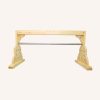
Large Yoga Trestler
₹54,409Original price was: ₹54,409.₹42,053Current price is: ₹42,053.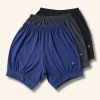
Yoga Shorts Unisex (Set of Three Colors)
₹4,079Original price was: ₹4,079.₹3,638Current price is: ₹3,638.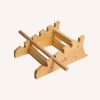
Yoga Forward Bender
₹11,519Original price was: ₹11,519.₹7,756Current price is: ₹7,756.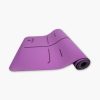
Premium Mat 4mm & Mat Carry Strap
₹4,135Original price was: ₹4,135.₹3,859Current price is: ₹3,859.
Jal Neti Pot Ceramic + 2pc Copper Tongue Cleaners & 2pc Sutra Neti Tubes- Combo Set
₹1,544Original price was: ₹1,544.₹1,279Current price is: ₹1,279.
Best Selling Products



Recent Posts




 Login with Google